










Millions of people on GLP-1 weight-loss drugs know the weekly routine by heart: a new injector pen, a new box, another reminder to refill, and one more item for the sharps bin.
Eli Lilly is trying to make that routine feel less like a chore.
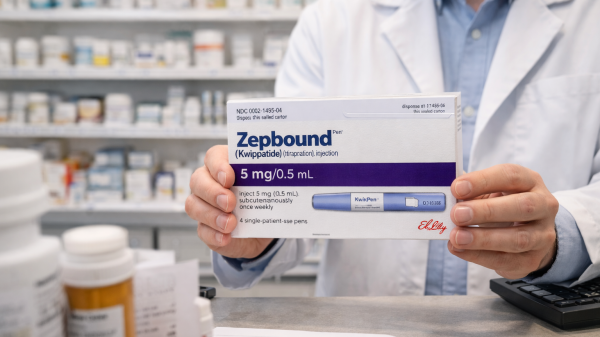
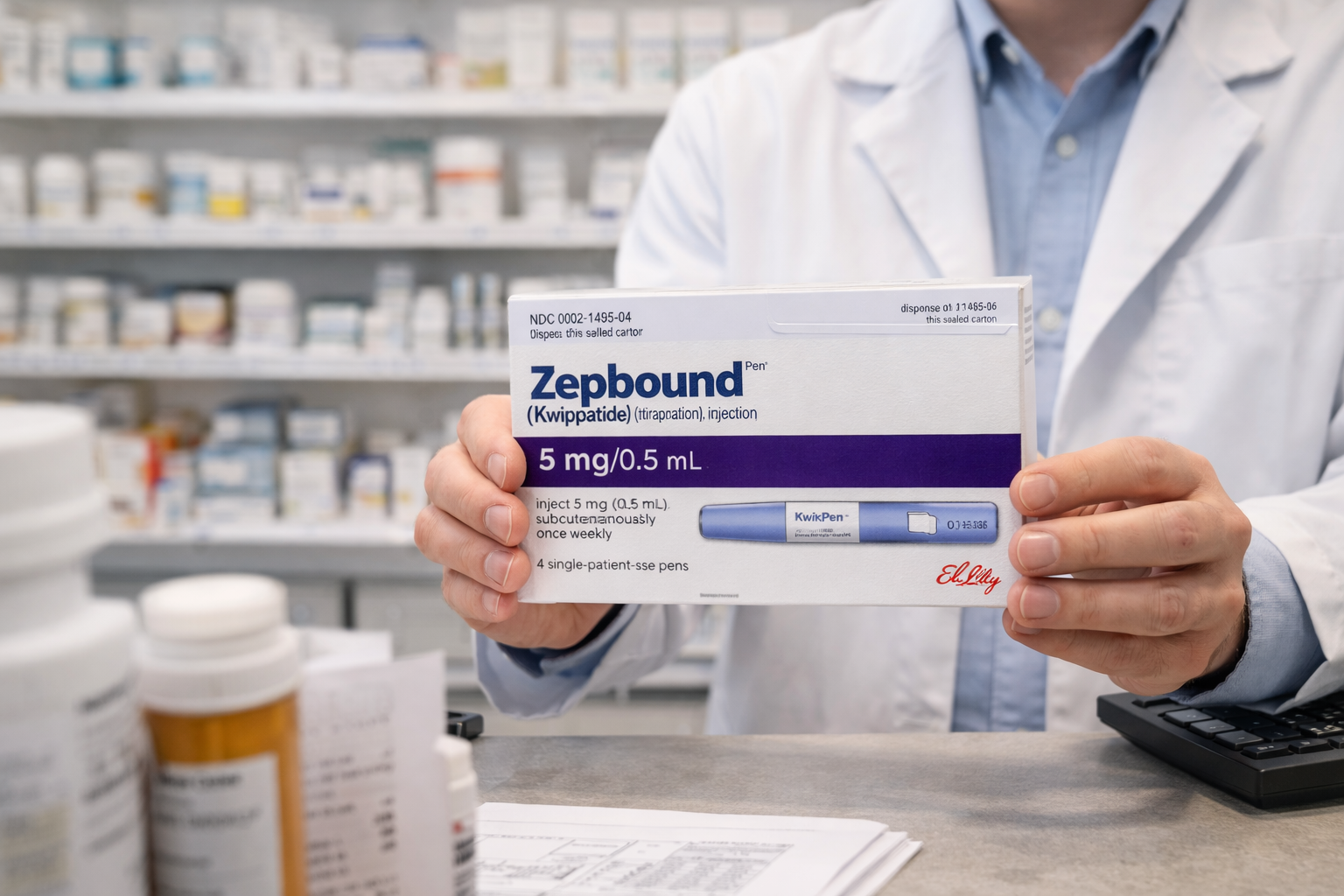
The company says it has launched a new Zepbound KwikPen that holds a month’s worth of tirzepatide, four weekly doses in a single multi-dose device.
Eli Lilly’s Zepbound KwikPen: The $299 logistics shift
What changed is the delivery system, not the molecule.
Zepbound’s new KwikPen is designed to deliver four weekly doses from one pen, replacing the single-dose auto-injector format that has dominated the category so far.
That has a simple day-to-day impact: fewer pens to store, fewer boxes to track, and less packaging waste to manage over a month.
Lilly is also attaching a clear price tag to the convenience.
The company is positioning the KwikPen at $299 per month for self-pay patients through its direct-to-consumer channel, LillyDirect, which is meant to reduce the friction and cost surprises that can come with traditional pharmacy routes.
The multi-dose format has received FDA clearance, which gives the launch regulatory footing rather than making it a marketing-only change.
For investors, the point isn’t just user experience. A multi-dose pen can also streamline distribution.
Shipping four single-dose pens versus one multi-dose device changes the unit economics of packaging, fulfillment, and supply chain complexity, especially when demand is strong and shortages can quickly become headline risk.
Why Eli Lilly is doing this now
Lilly’s bigger bet is that the next phase of the GLP-1 boom won’t be won purely on clinical results.
GLP-1 drugs are obesity and diabetes medicines that help regulate appetite and blood sugar, but they often require consistent, long-term use to maintain results.
That’s where “injection fatigue” becomes real: weekly friction adds up, and drop-off rates can rise when the routine feels burdensome.
That dynamic is exactly why a monthly pen matters strategically.
Novo Nordisk’s Wegovy remains the best-known obesity brand, and the competitive race is broadening.
In that environment, Lilly’s move reads like a retention tool to make the product easier to live with and reduce the little hassles that prompt patients to pause or quit.
It also fits Lilly’s broader access playbook.
The company has been leaning into direct pricing strategies and partnerships aimed at widening availability and lowering hurdles for patients who fall outside insurance coverage.
A $299 monthly DTC option, paired with a simpler device, sends the message that Lilly wants to control more of the patient journey, from prescribing and fulfillment to affordability and adherence.
The post Eli Lilly bets on multi-dose Zepbound pen in GLP-1 retention push appeared first on Invezz